
A petite woman stands at the bakery counter, her City of Hope bag slung over her shoulder. A tall, masked man waits behind her, patiently observing as she makes up her mind.
“Okay, how many focaccia come in that pack?” she asks, pointing to a tower of wrapped focaccia behind the glass.
The baker peers over his spectacles and replies, “Six.”
“Hmmm…” she muses, rocking back and forth, seemingly unaware of the growing line behind her. The man with her sighs impatiently.
“Okay, how about an olive, two pizza, two garlic and rosemary, one raisin, and one plain,” she finally decides.
“We don’t have garlic and rosemary together. We have rosemary or garlic,” the baker corrects.
“Oh… hmmm. Okay, then two olive, two pizza, one rosemary, one plain, and one raisin,” she says after a moment.
“Coming right up,” he replies.
The baker retrieves a stack of focaccia and places sheer paper between the squares of freshly baked bread. The baker folds the white paper neatly and ties twine around the package. The woman starts to fidget, uncomfortable in the silence.
“You know, we almost didn’t find this place. We drove from L.A.,” she says, now with a hint of complaint in her voice.
“And somehow I manage to find my way here every day,” the baker responds dryly, without missing a beat.
“Well, that’s because you live here,” she snaps, frustration creeping into her voice.
“That’ll be forty-five dollars, please,” the baker says, unfazed.
The woman hands him two twenty-dollar bills and a five dollar bill.
“How long is the bread good for?” she asks.
The baker looks at her as if she’s asked the most obvious question in the world. “Well, it’s freshly baked. Leave it on the counter and eat it within one or two days.”
She glances at the tall, masked man behind her and then at her smaller companion now also standing near. Wrinkling her nose as though something foul lingers in the air, she twitches in frustration.
“Can we freeze it? We’re not driving back to L.A. for two more days,” she adds.
“If you freeze it, thaw it, then freeze it again, it’s not going to taste very good,” the baker responds flatly.
She leaves without tipping or even a word of thanks. Yet, her friend still orders three additional focaccia after.
My small dog, balanced on my arm, watches the L.A. visitors as they pass by.
The baker, momentarily thrown by the interaction, snaps back to attention as if lost in a hurricane of hypnotic nuisance and asks, “Who’s next?”
I raise my hand. “Me. I’ll take one raisin focaccia, please.”
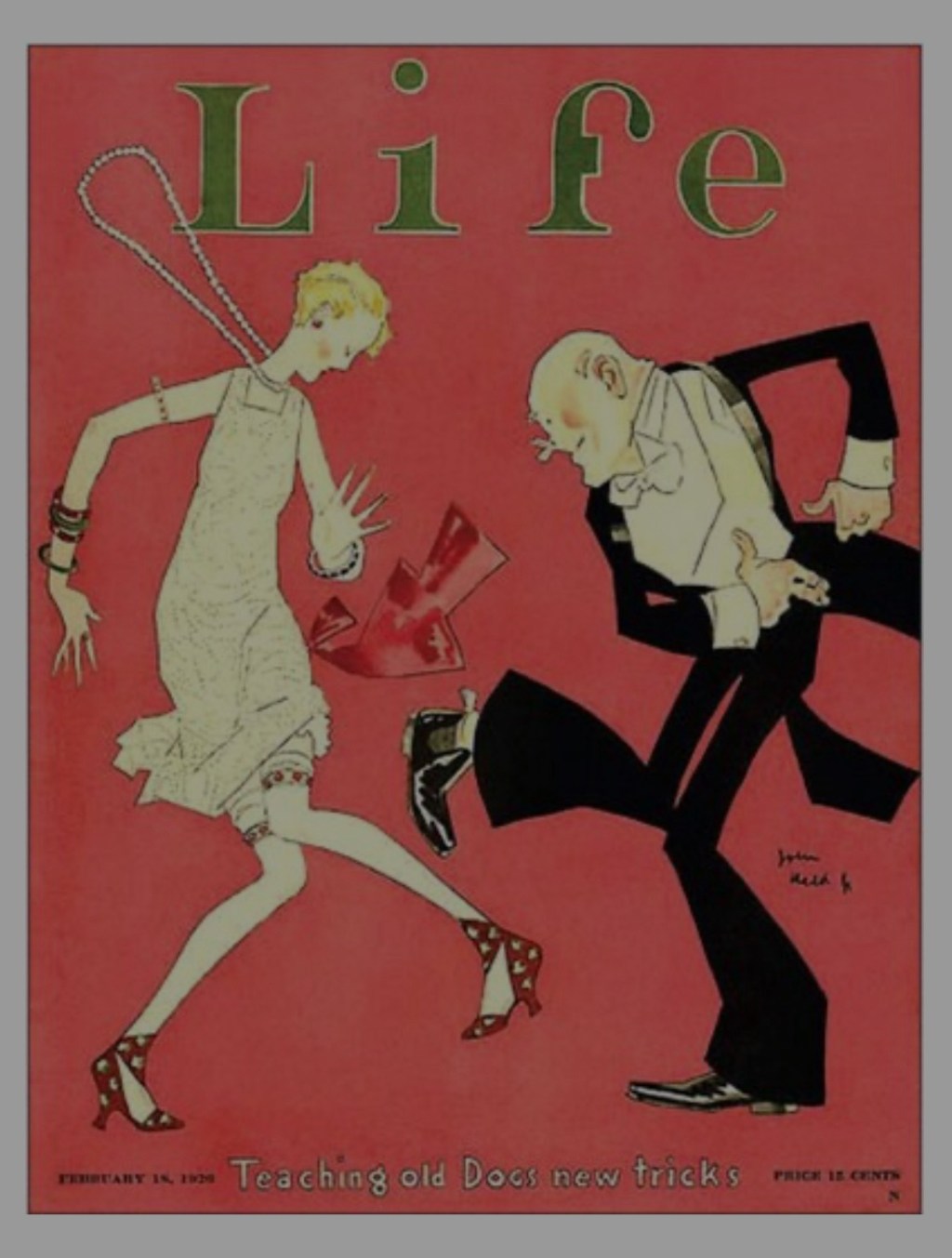
The baker seems to relax a little. I could almost read his thoughts: Good, an easy order. A neighborhood regular. The soft sounds of 1920s-1930s jazz floats overhead. Oddly, I hadn’t noticed it earlier during the previous exchange, but now it fills the space. I know the sound of this music. It is the same music that my great grandmother played on her record player. The records I would later inherit that sit on my shelf. Recollecting these old family memories fills me with joy and affection.
The baker reappears with the raisin focaccia, still warm from the oven, and begins to wrap it up.
“I really like this music,” I say. “I think I’ll carry the tune with me home today.”
The baker smiles. “I think it fits our little old bakery. I like to play it every day.”
He slides the warm focaccia across the cool white-and-gray marble counter.
“That’ll be nine dollars, please,” he says.
I hand him a ten dollar bill. He gives me back a single dollar, which I place in the tip jar. His shoulders relax, dropping slightly away from his ears.
“Thank you very much,” I say.
“Thank you,” the baker replies, before calling out, “Next?”
The day carries on. Yes, it does indeed.
-Keri

 K. K. Powell's